Ink on aluminum
24 x 36 in
60.9 x 91.4 cm
2025
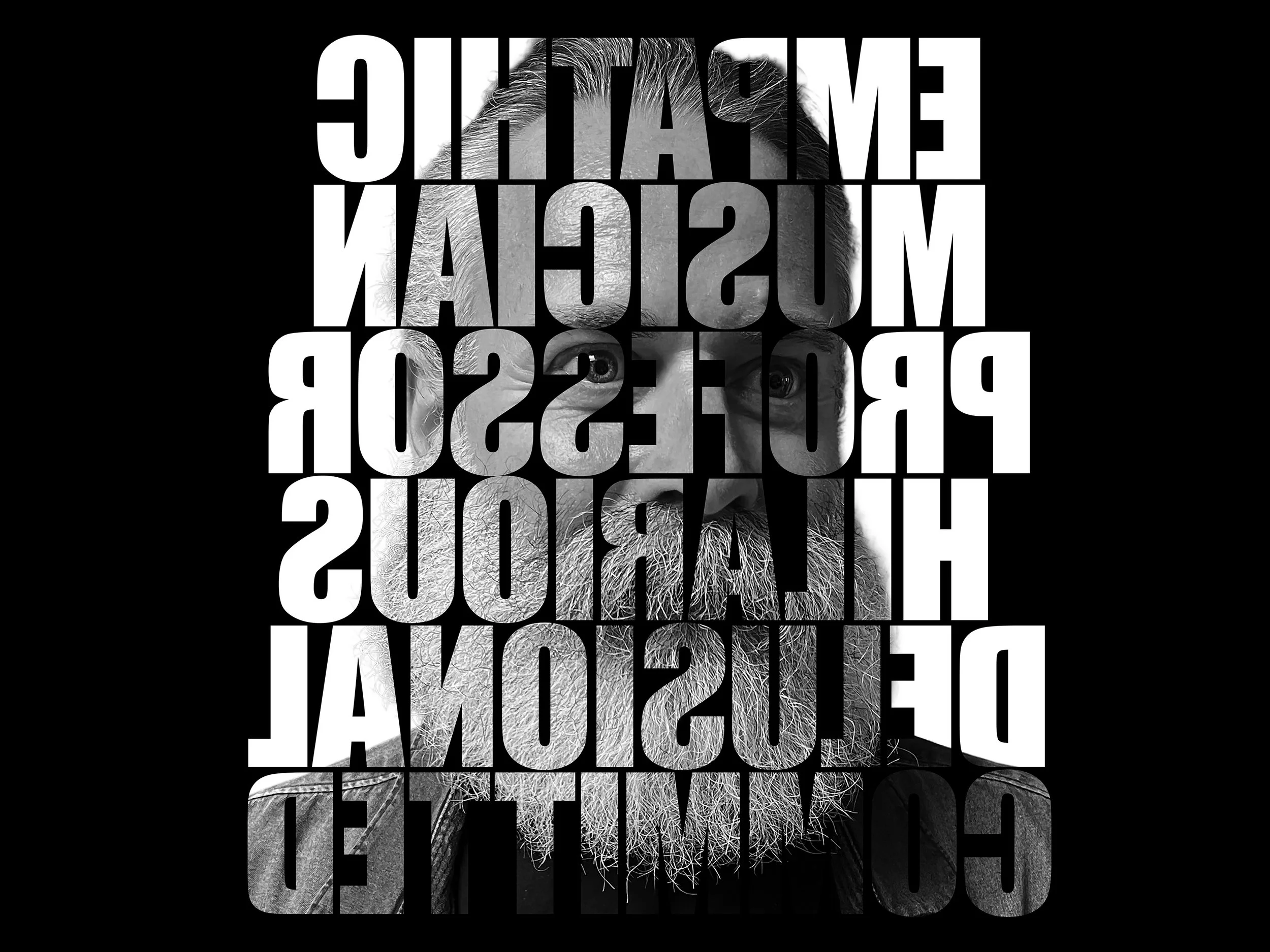
Richard Humann • Joseph (from the series I Am No Bird) • Ink on aluminum • 24 x 36 in • 2025
In I Am No Bird, Richard Humann examines the construction of identity in a culture where self-image has become a form of public communication. The work begins with a familiar contemporary gesture: the selfie. Yet a selfie is more than a photograph taken by oneself. It is an act of selection and curation, an attempt to shape how one is perceived and to project a particular lifestyle, personality, or social position to an audience. Shared through social media and other platforms, the image becomes a public statement about the self, offered for recognition and preserved as a moment that may outlast the circumstances in which it was made.
Humann asks participants to submit a selfie along with six words they believe describe them. These two elements establish different, potentially conflicting forms of self-representation. The photograph offers an outward image, shaped by appearance, expression, pose, and the choices involved in presenting oneself to a camera. The words provide a verbal account of identity: a declaration of personal qualities, values, or characteristics. One is visual and immediately legible; the other requires the participant to articulate an understanding of who they are. Together, they create a portrait that is both public performance and personal admission.
The distinction is significant because neither form offers unmediated access to the individual. A photograph may appear to capture a person directly, but the selfie is rarely a neutral record. It is made with an awareness, conscious or otherwise, of how the image will be received. The six words are equally selective. They reveal what participants choose to say about themselves, but they also expose the difficulty of reducing a complex identity to a handful of descriptors. The work places these two acts of selection side by side, inviting viewers to consider what each communicates, what each conceals, and how much distance may exist between an image and the person it claims to represent.
The six words are presented backward in a mirror-like arrangement, a decision that gives the text a dual function. Metaphorically, it holds a mirror to the participant, reflecting back the words through which they have chosen to define themselves. The act of self-description becomes an encounter with one’s own declarations: the individual is asked not only to name personal qualities, but to confront those claims as a reflection of the self. At the same time, the reversed text creates a visual wall between the participant and the viewer. The words are physically present, yet their meaning is obstructed, placing a limit on the viewer’s ability to access the participant’s inner account of identity. What is offered as personal disclosure becomes, paradoxically, a form of concealment.
This tension is central to I Am No Bird. The participant willingly supplies both an image and a written description, making the self available for public consideration, yet the mirrored text establishes a boundary around what can be understood. The work distinguishes between displaying identity and granting access to it. A viewer may look at a face and attempt to interpret the person behind it, but appearance does not guarantee understanding, just as a written declaration does not make the self fully knowable. The reversed words embody that distance, suggesting that even when people present themselves openly, a part of their identity remains beyond the viewer’s reach.
The title, I Am No Bird, invokes Charlotte Brontë’s declaration of independence and resistance to confinement: “I am no bird; and no net ensnares me.” The reference introduces the question of whether identity can remain autonomous when it is continually shaped by the expectations of an audience. The bird in Brontë’s statement represents a being that refuses capture, insisting on the freedom to exist beyond another’s control. Humann brings this idea into the contemporary landscape of self-presentation, where individuals voluntarily make their images and personal descriptions available for public consumption. The question becomes whether the desire to define oneself can coexist with the pressure to package that identity into a form that others can quickly recognize and evaluate.
Social media encourages the presentation of the self as a coherent, recognizable image. A life becomes a sequence of selected moments; identity becomes something that can be displayed, revised, and circulated. The selfie captures an instant, yet it is often intended to stand for something more permanent: a lifestyle, a sense of belonging, or an enduring idea of who someone is. In this context, self-representation becomes a negotiation between personal expression and public reception. The individual chooses how to appear, but that choice takes place within systems that reward visibility and invite comparison.
By pairing each participant’s image with their own description, Humann does not simply expose the artificiality of the selfie or suggest that the photograph is false and the words are true. Instead, he presents two forms of self-definition whose relationship remains open to interpretation. The visual image and the written declaration may reinforce one another, or they may produce a subtle discrepancy. Neither can fully contain the person. The work’s interest lies in the space between them, where identity emerges as something expressed but never entirely resolved.
I Am No Bird ultimately considers the tension between the freedom to define oneself and the impulse to make that self-legible to others. Its participants offer both an image and a statement, attempting to establish who they are through the means available to them. Yet the combination also reveals the limits of those means. A face can be photographed, and a personality can be summarized in six words, but neither image nor description can encompass the complexity of an individual. Through the interplay of portrait, self-description, and mirrored obstruction, Humann asks what it means to claim an identity in a culture that increasingly encourages us to turn ourselves into images—and whether the self can remain free when it is continually being presented for public view.

Richard Humann • Miranda (from the series I Am No Bird) • Ink on aluminum • 24 x 36 in • 2025
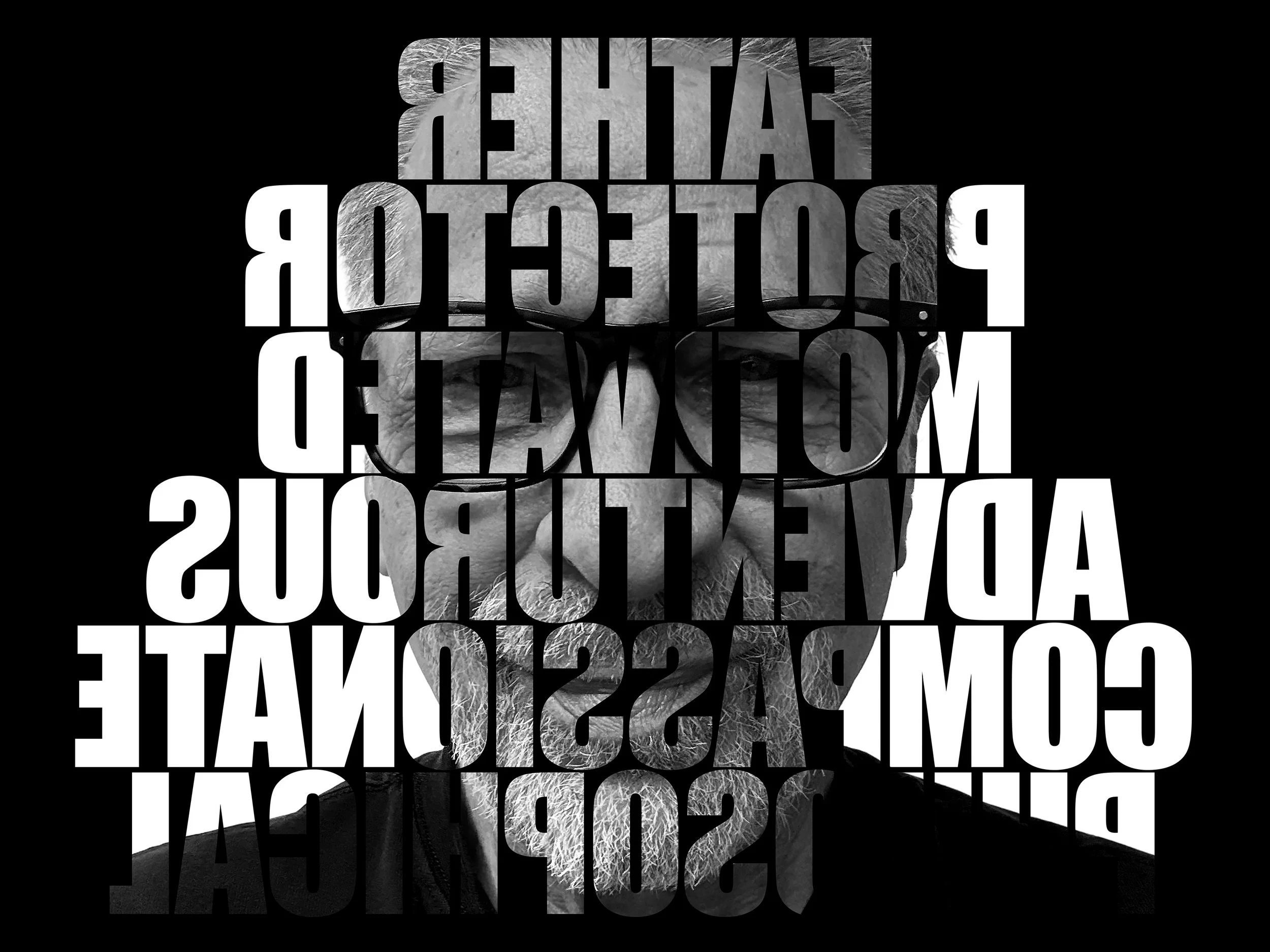
Richard Humann • Gary (from the series I Am No Bird) • Ink on aluminum • 24 x 36 in • 2025
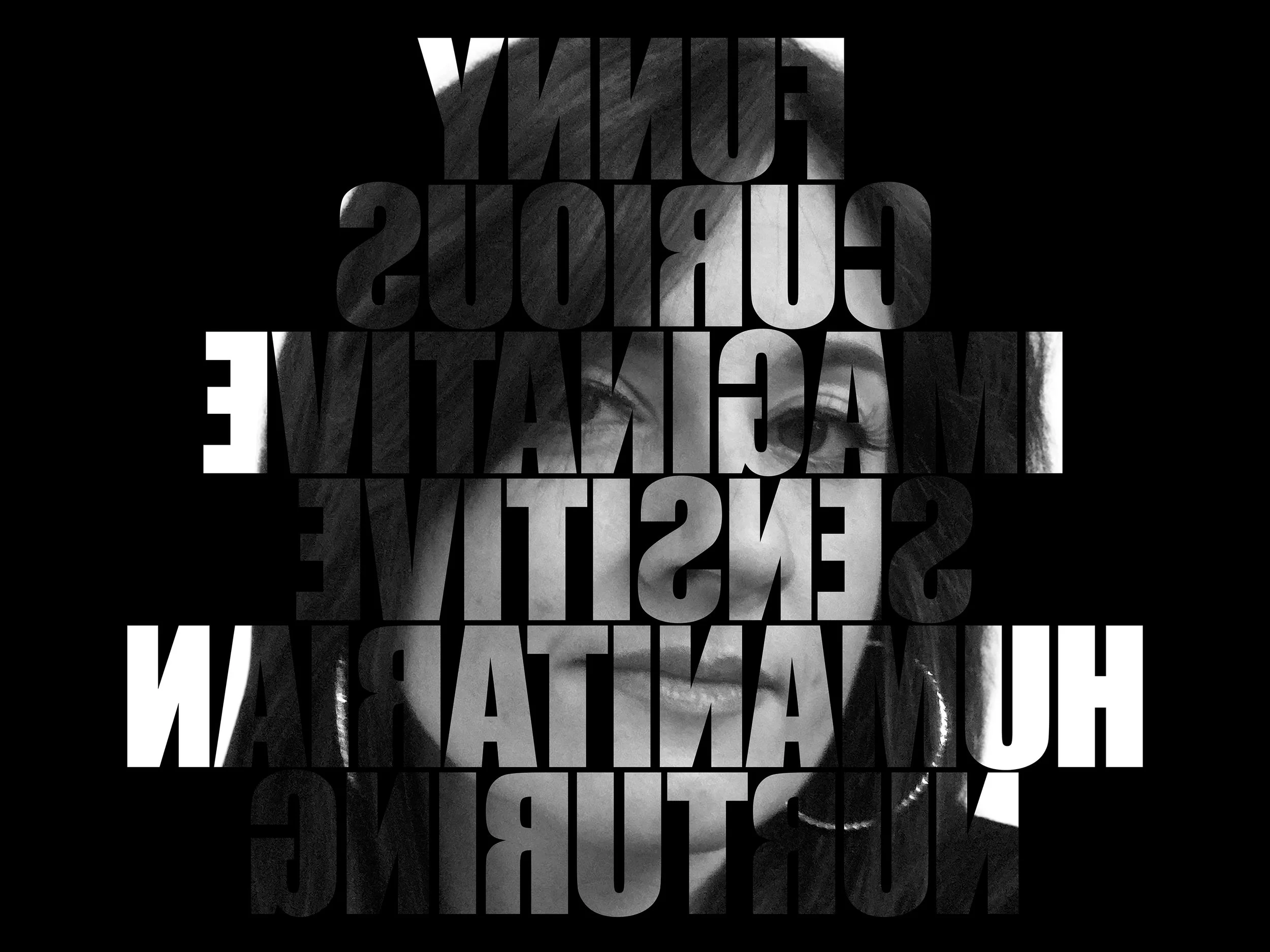
Richard Humann • Anna (from the series I Am No Bird) • Ink on aluminum • 24 x 36 in • 2025
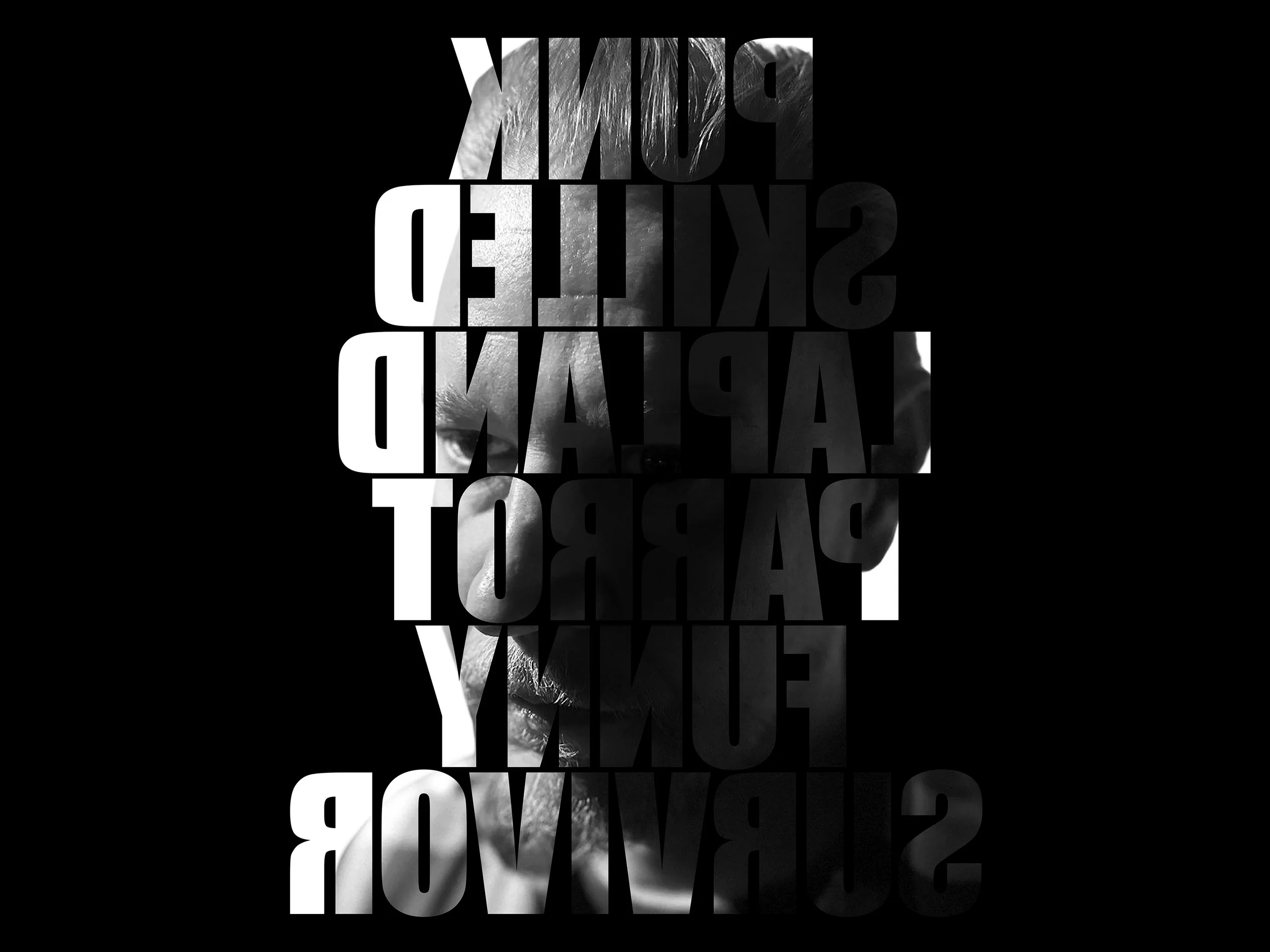
Richard Humann • Juggis (from the series I Am No Bird) • Ink on aluminum • 24 x 36 in • 2025
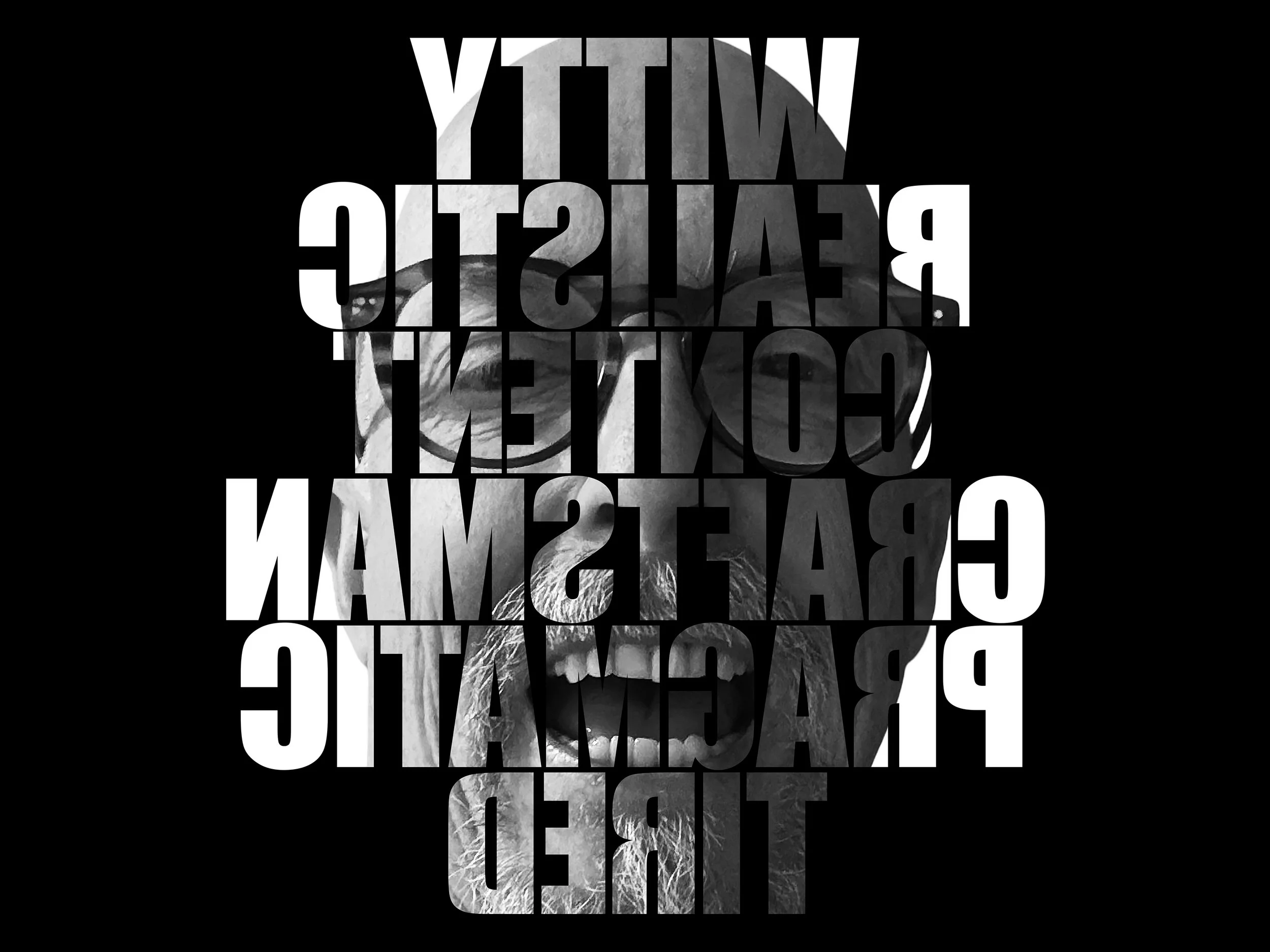
Richard Humann • Paul (from the series I Am No Bird) • Ink on aluminum • 24 x 36 in • 2025
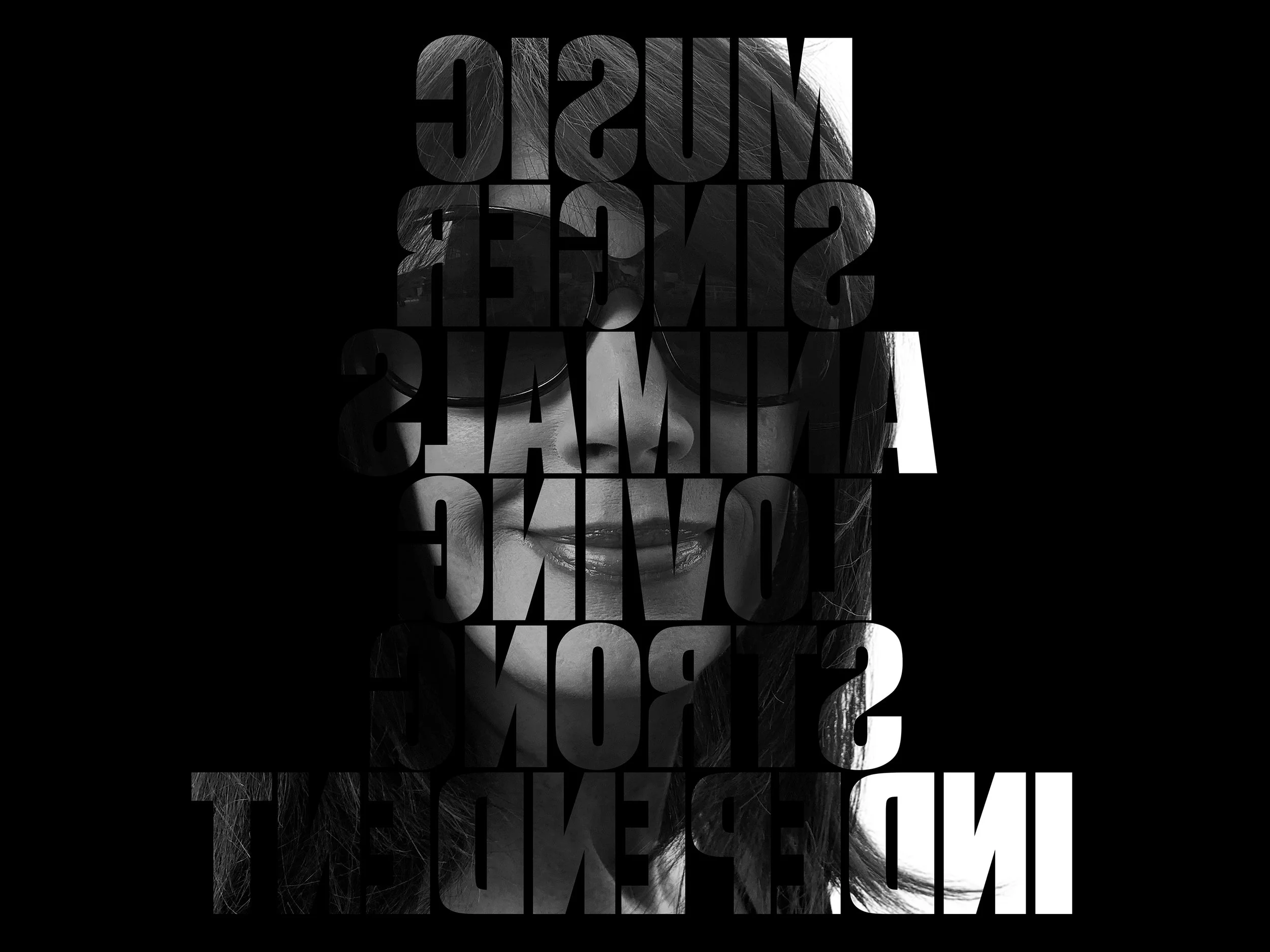
Richard Humann • Susan (from the series I Am No Bird) • Ink on aluminum • 24 x 36 in • 2025
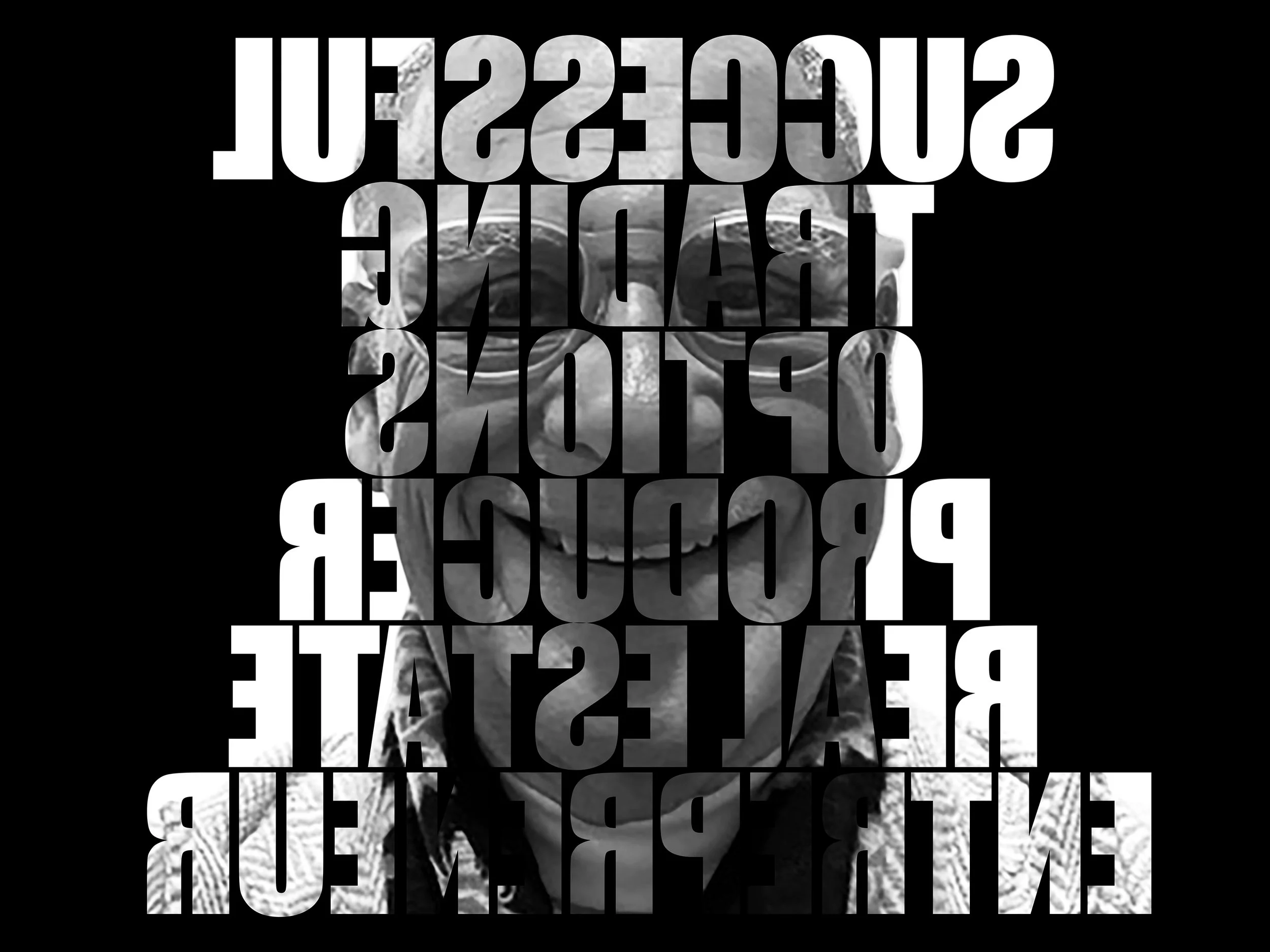
Richard Humann • Michael (from the series I Am No Bird) • Ink on aluminum • 24 x 36 in • 2025
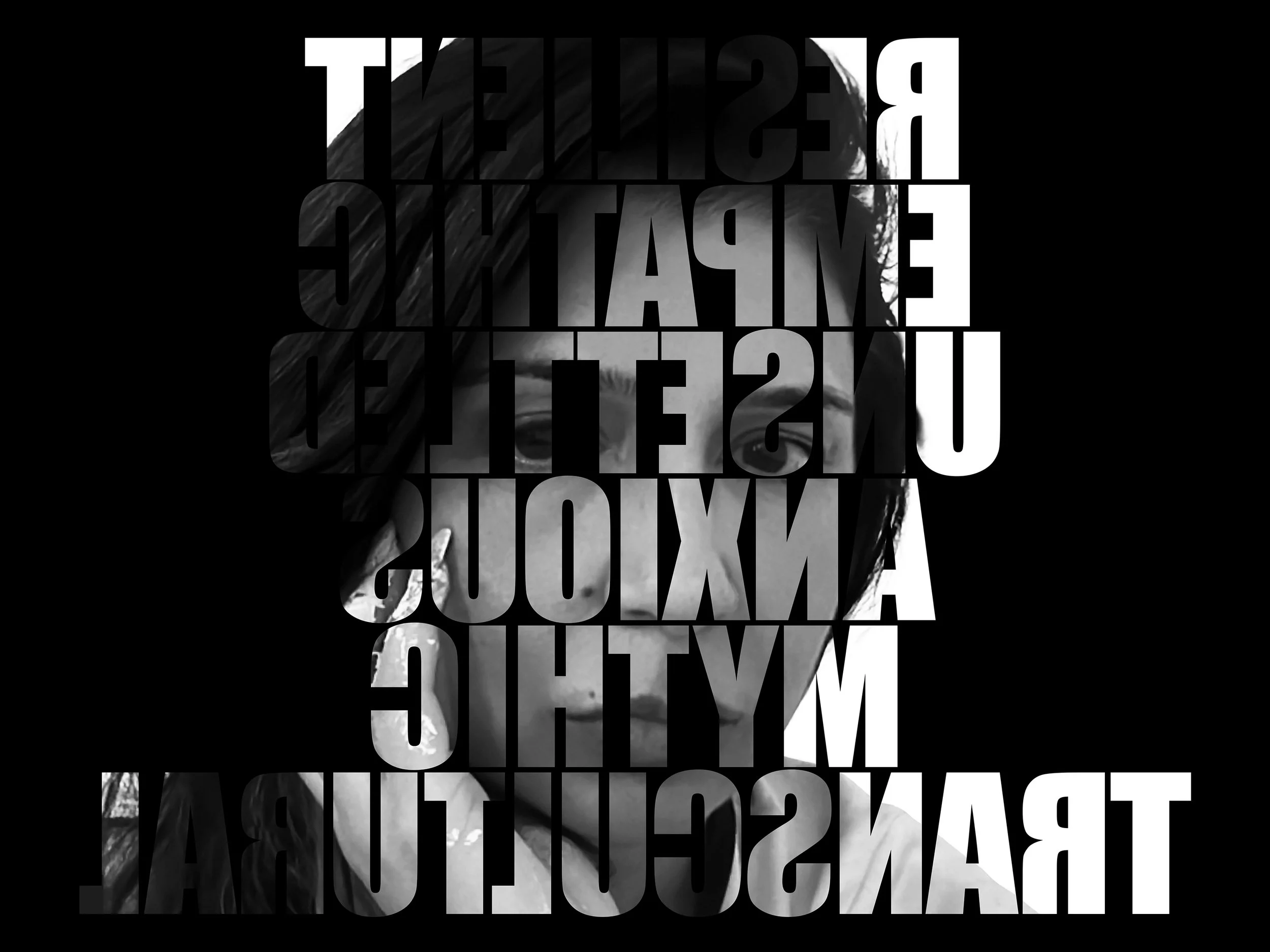
Richard Humann • Qinza (from the series I Am No Bird) • Ink on aluminum • 24 x 36 in • 2025

Richard Humann • China Blue (from the series I Am No Bird) • Ink on aluminum • 24 x 36 in • 2025
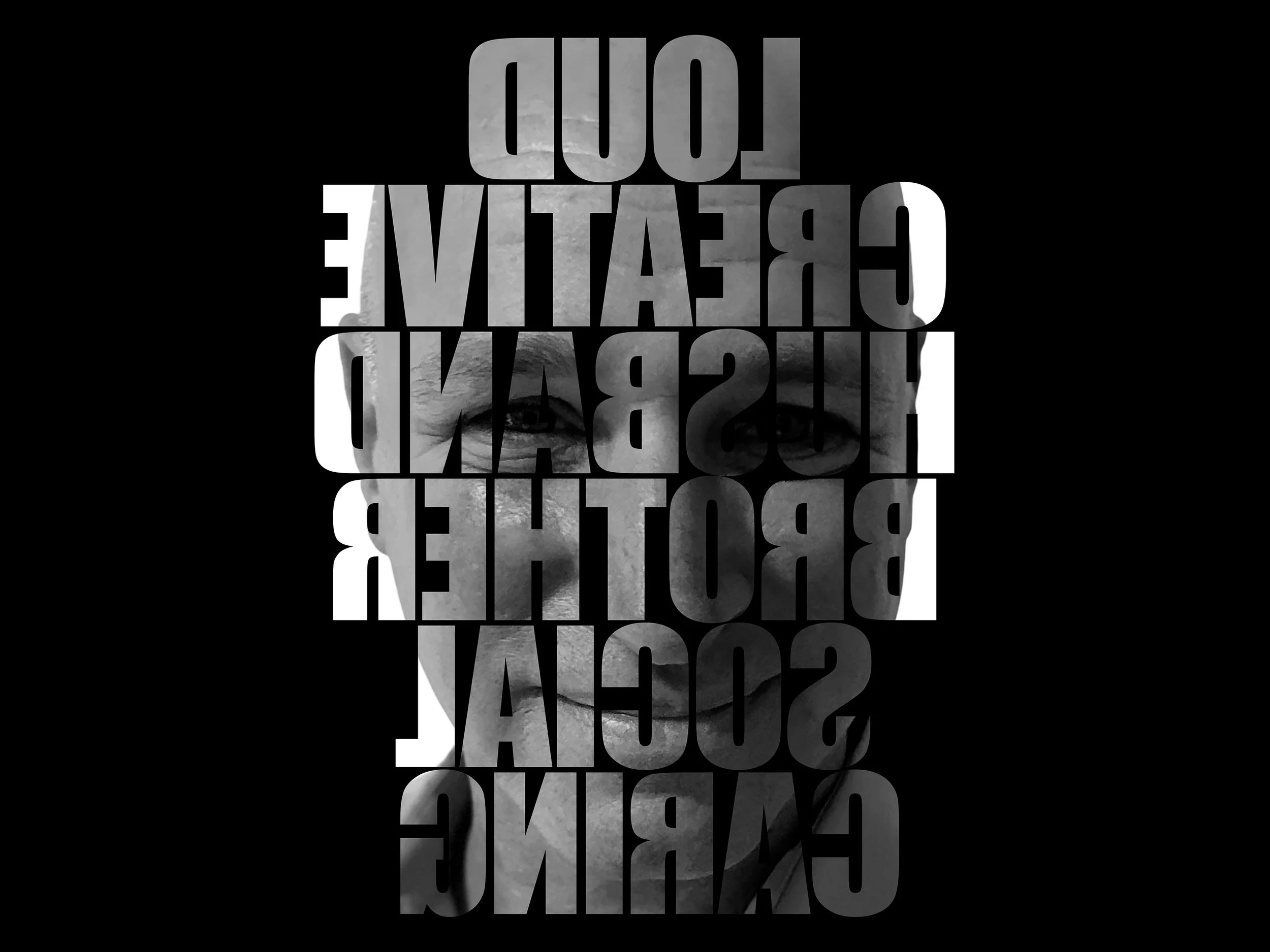
Richard Humann • Aaron (from the series I Am No Bird) • Ink on aluminum • 24 x 36 in • 2025
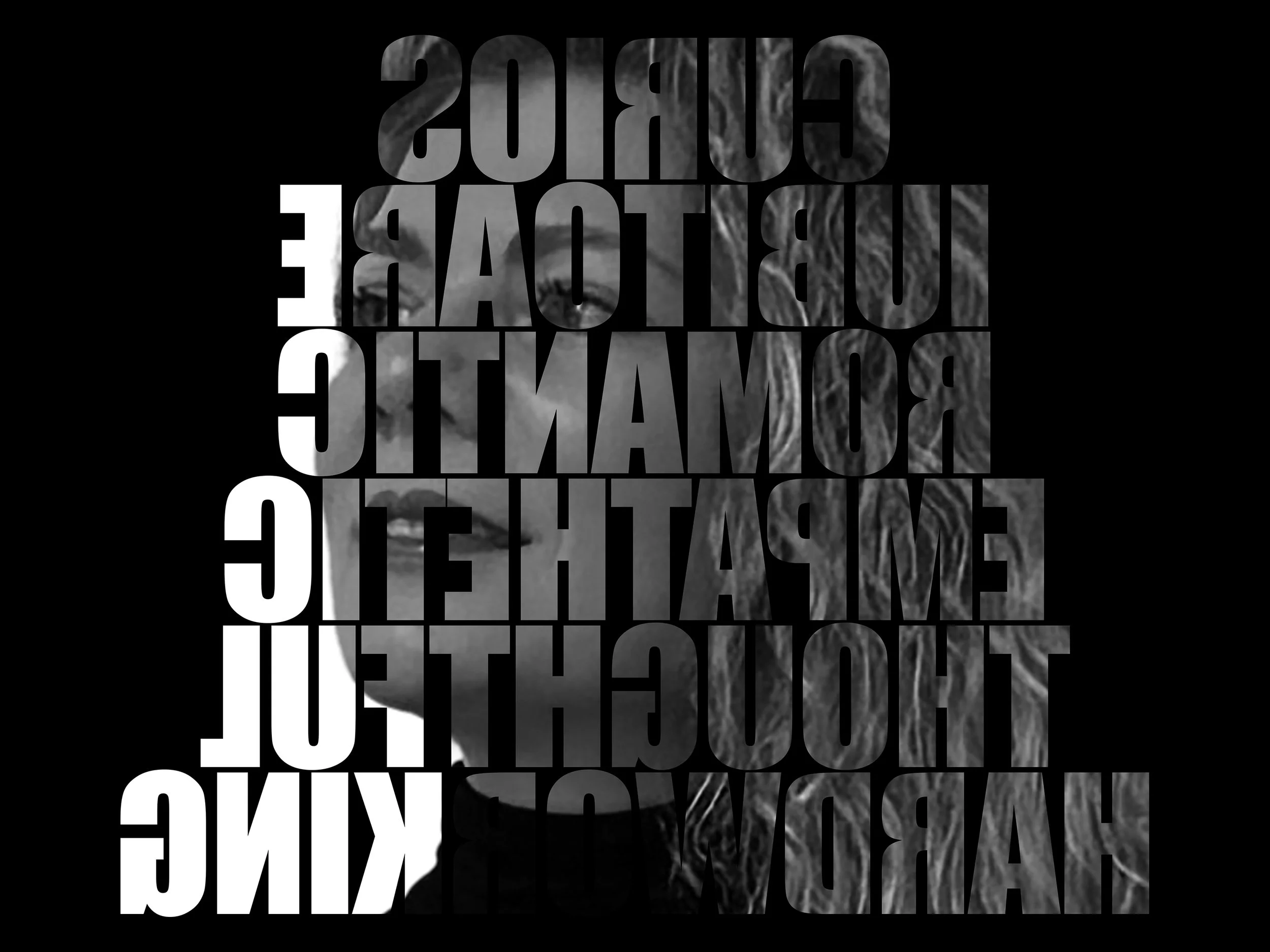
Richard Humann • Arina (from the series I Am No Bird) • Ink on aluminum • 24 x 36 in • 2025

Richard Humann • Katie (from the series I Am No Bird) • Ink on aluminum • 24 x 36 in • 2025
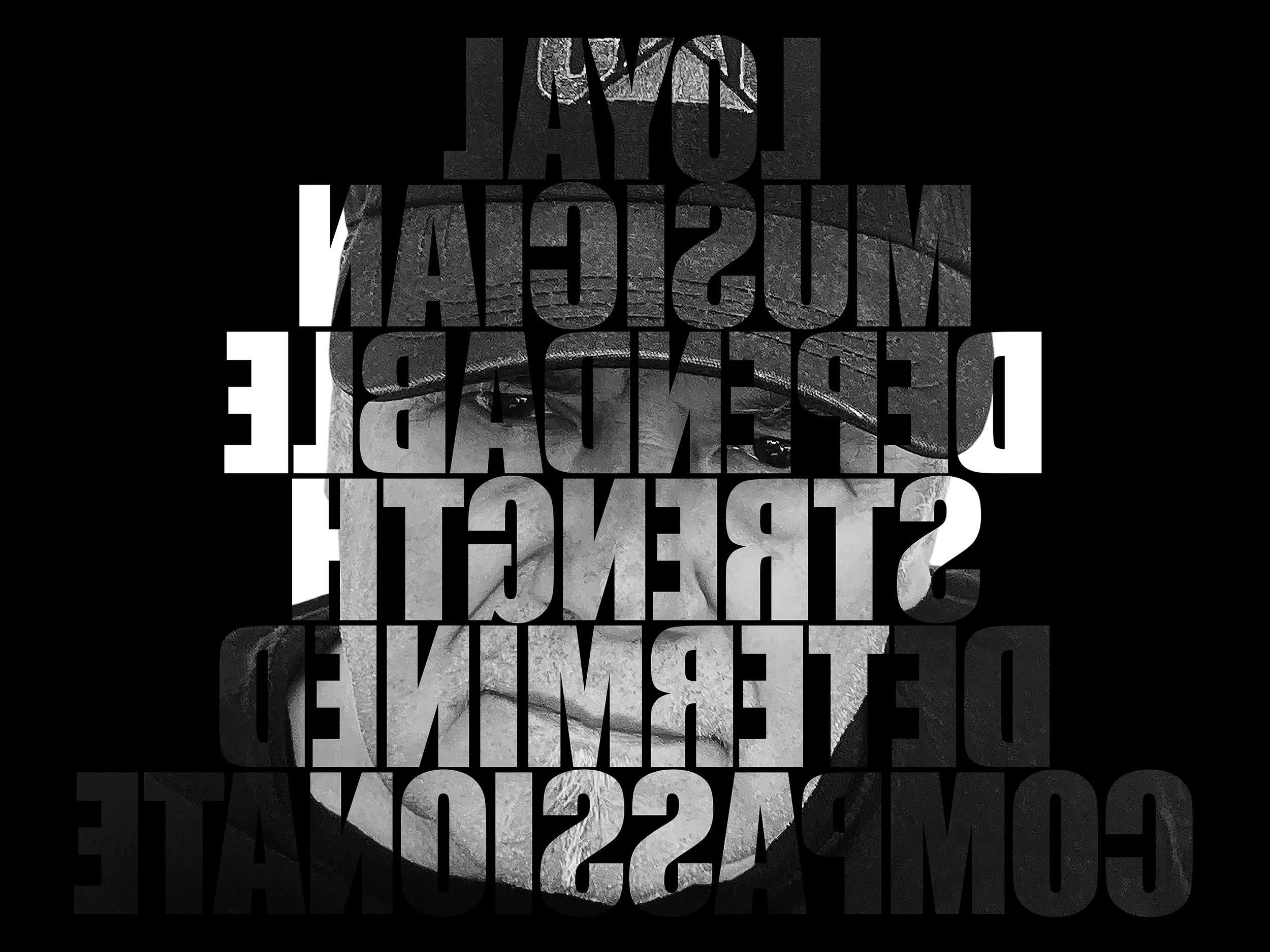
Richard Humann • Walter (from the series I Am No Bird) • Ink on aluminum • 24 x 36 in • 2025
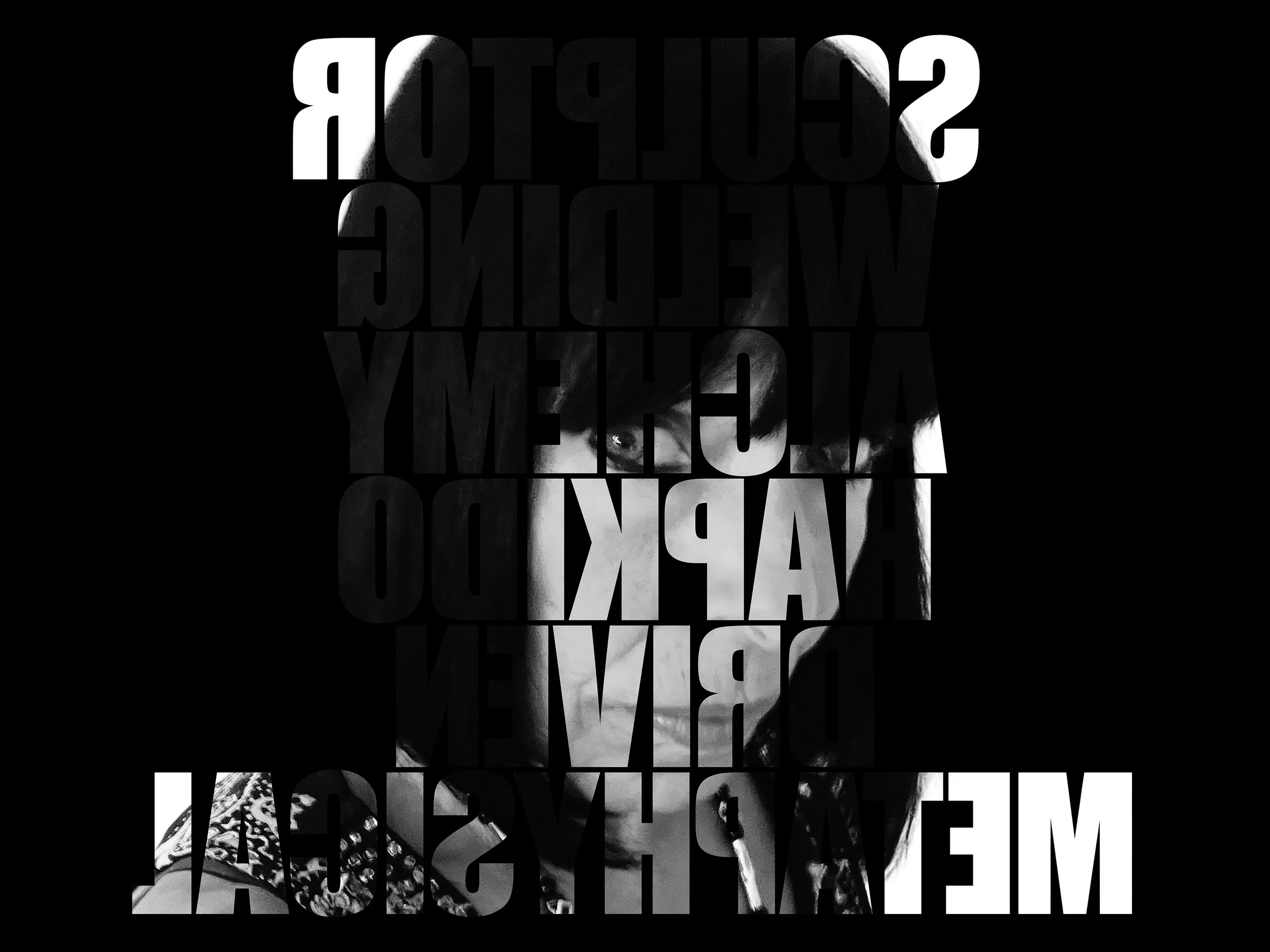
Richard Humann • Janet (from the series I Am No Bird) • Ink on aluminum • 24 x 36 in • 2025
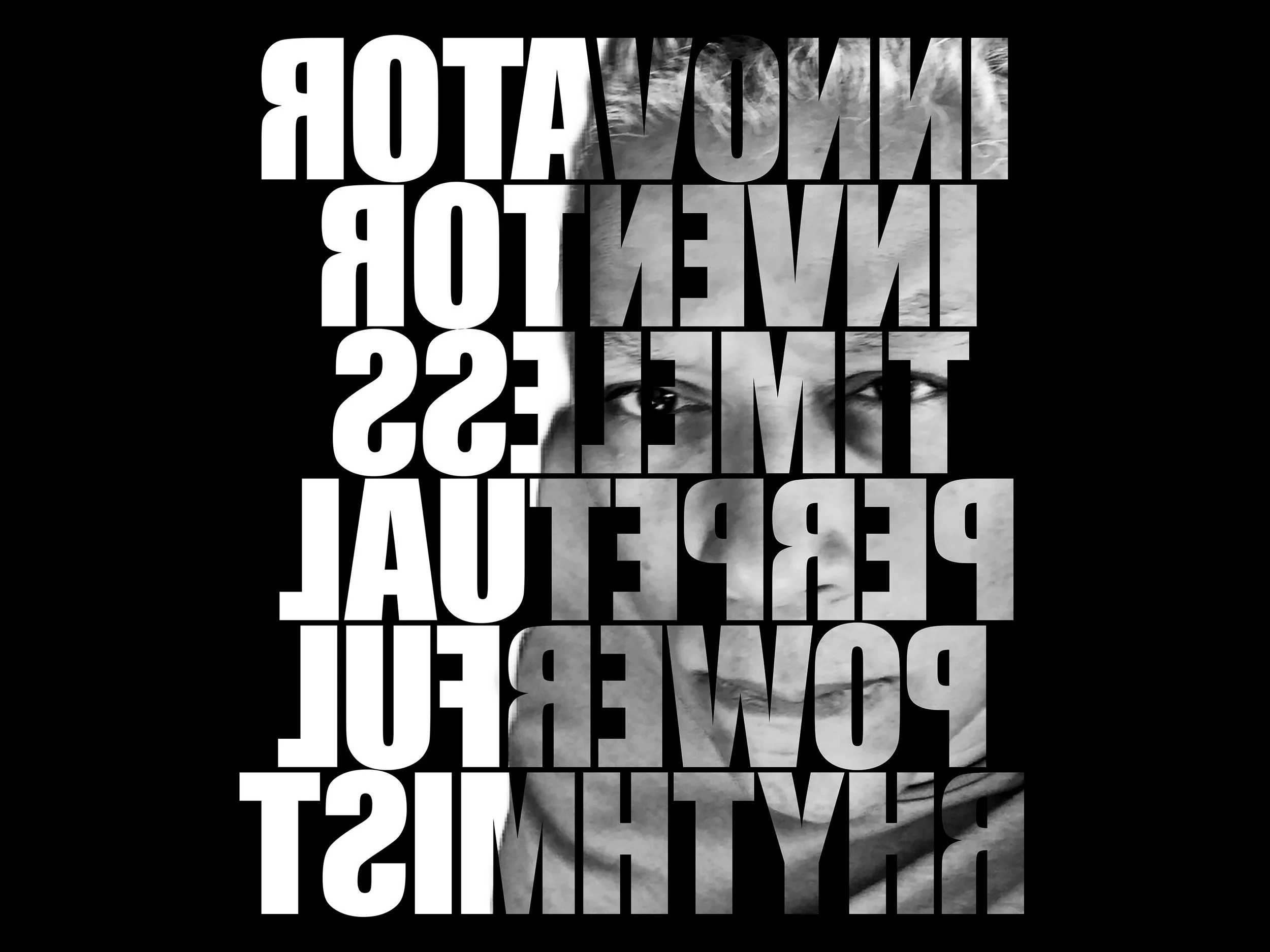
Richard Humann • Alex (from the series I Am No Bird) • Ink on aluminum • 24 x 36 in • 2025
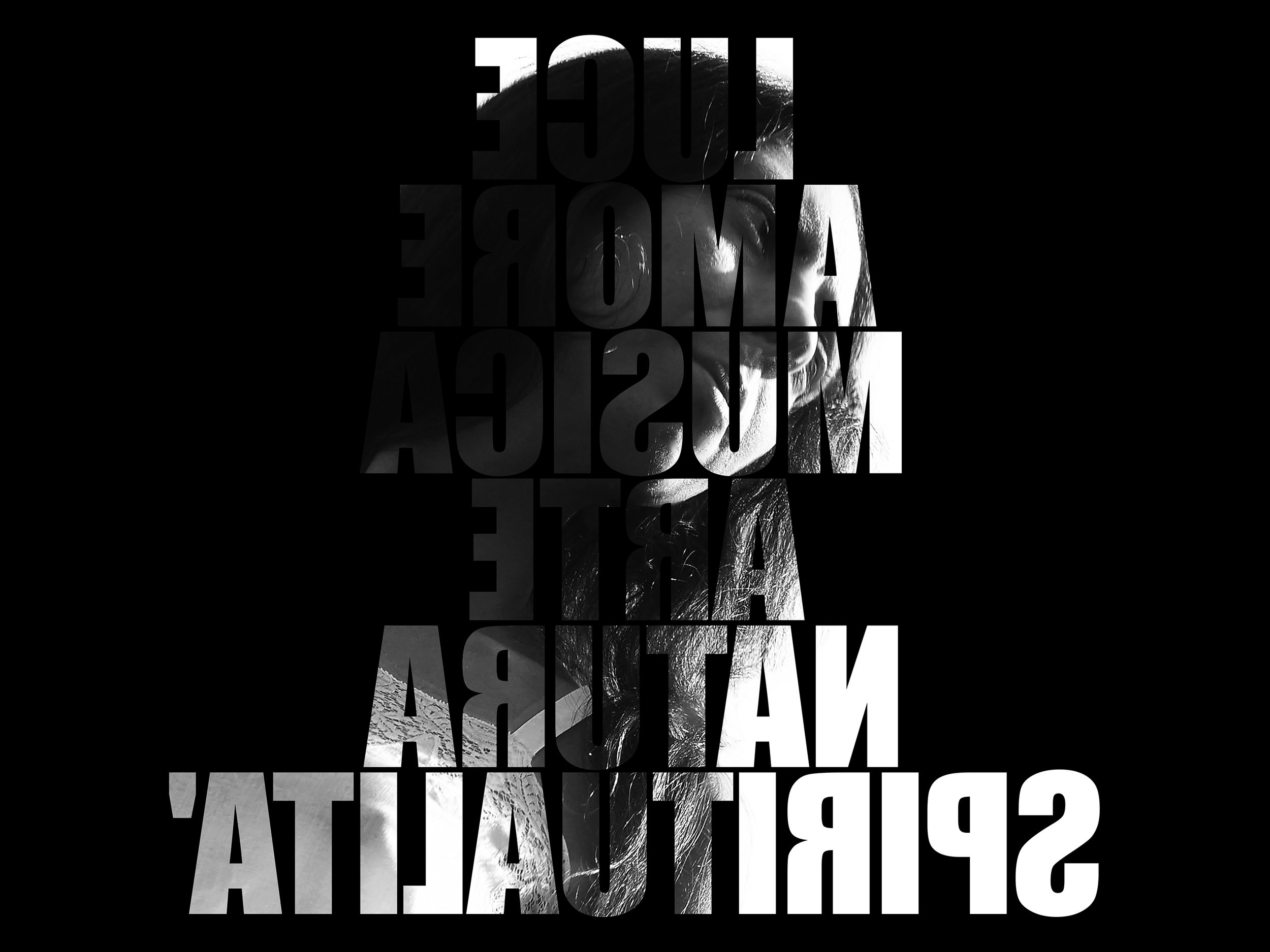
Richard Humann • Anna (from the series I Am No Bird) • Ink on aluminum • 24 x 36 in • 2025
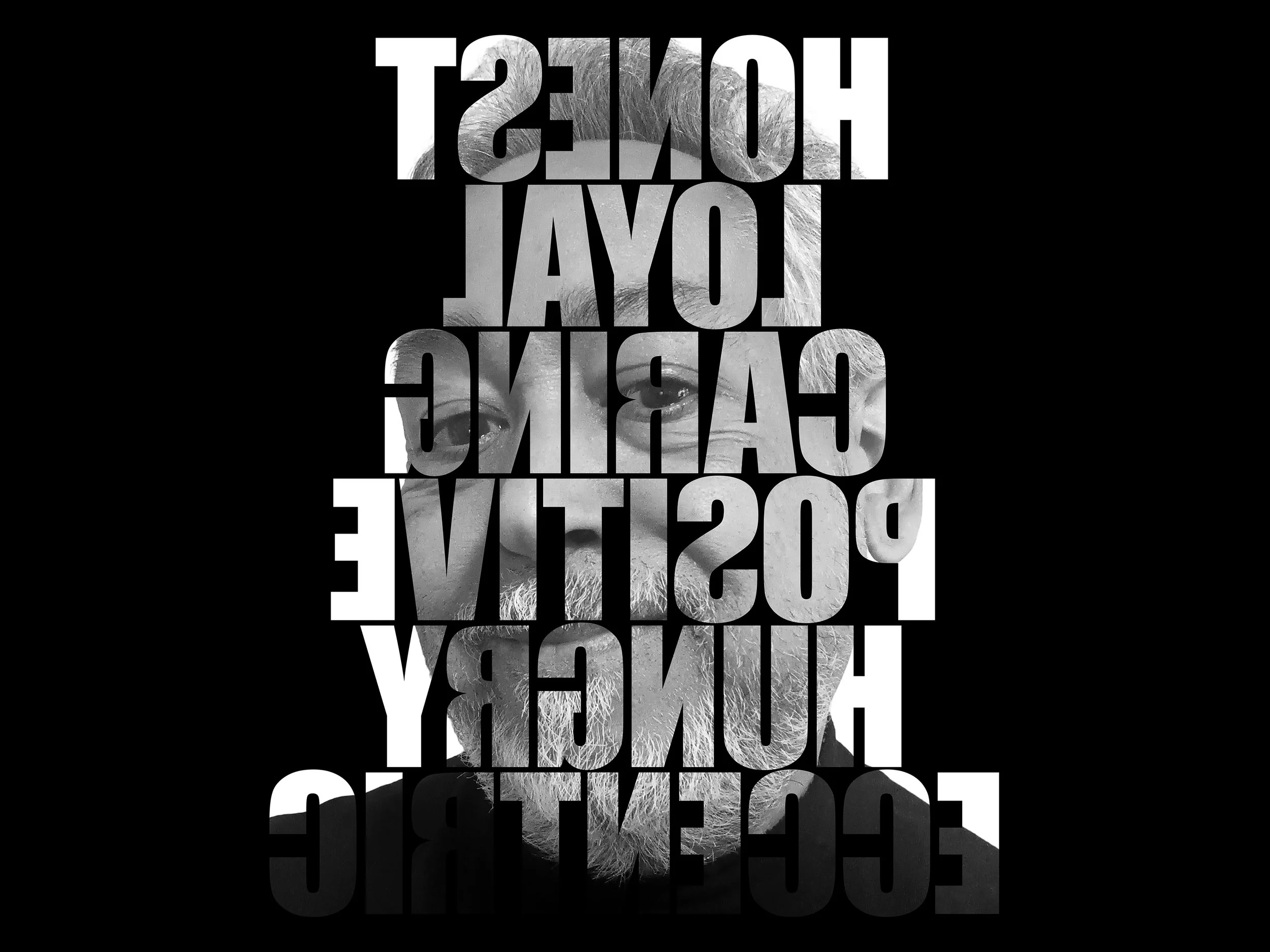
Richard Humann • Jay (from the series I Am No Bird) • Ink on aluminum • 24 x 36 in • 2025
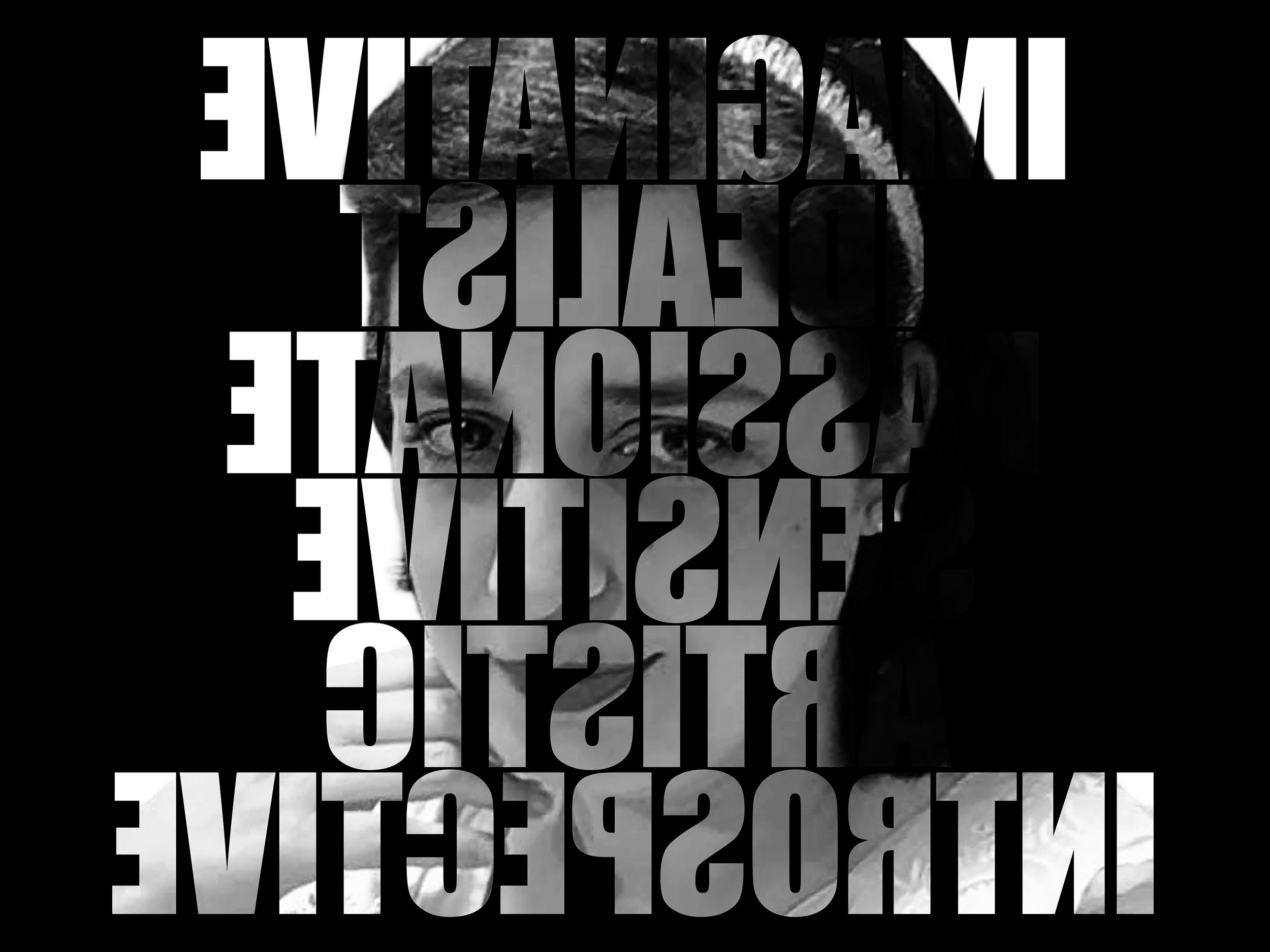
Richard Humann • Farhana (from the series I Am No Bird) • Ink on aluminum • 24 x 36 in • 2025
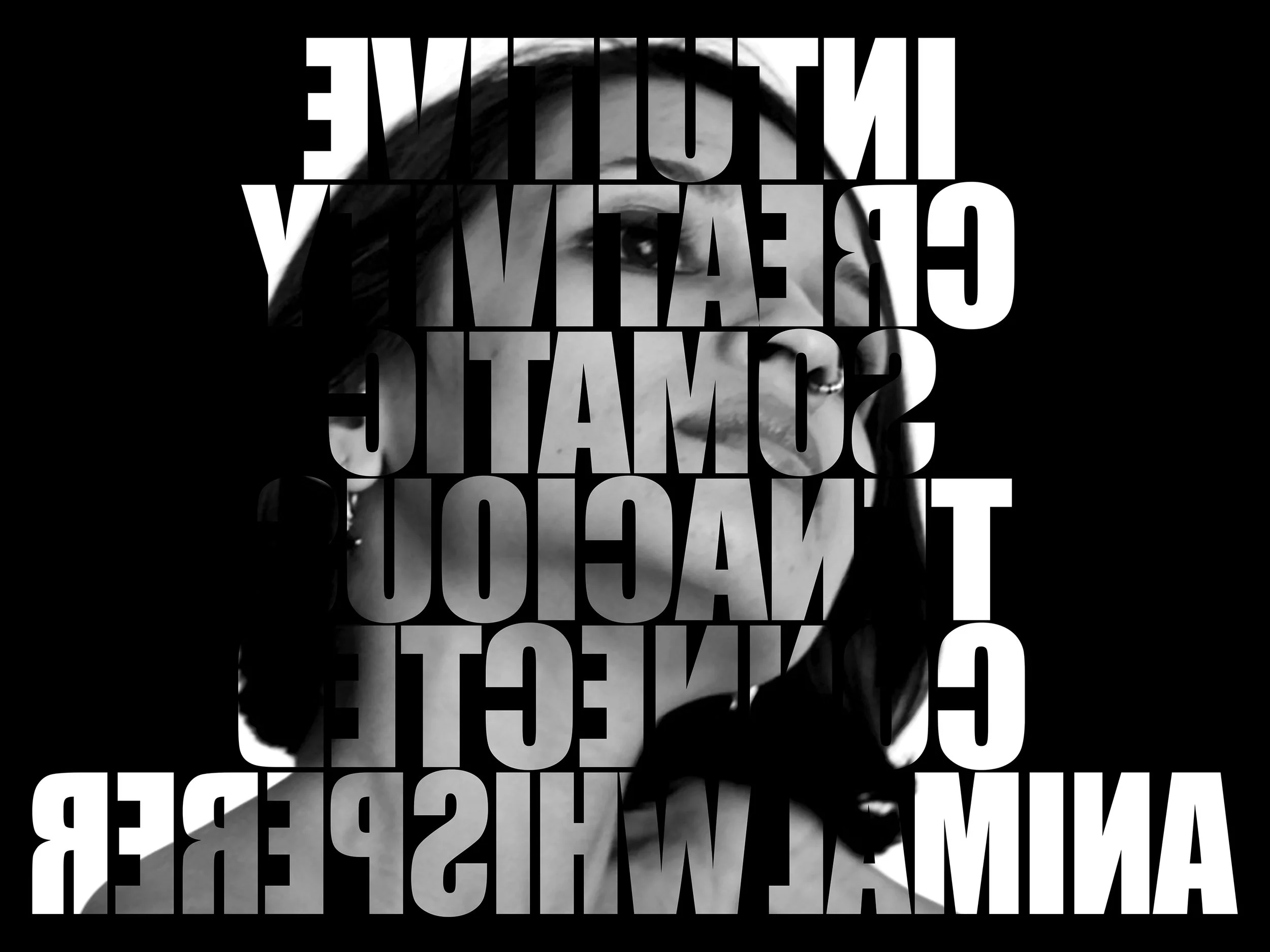
Richard Humann • Shipra (from the series I Am No Bird) • Ink on aluminum • 24 x 36 in • 2025
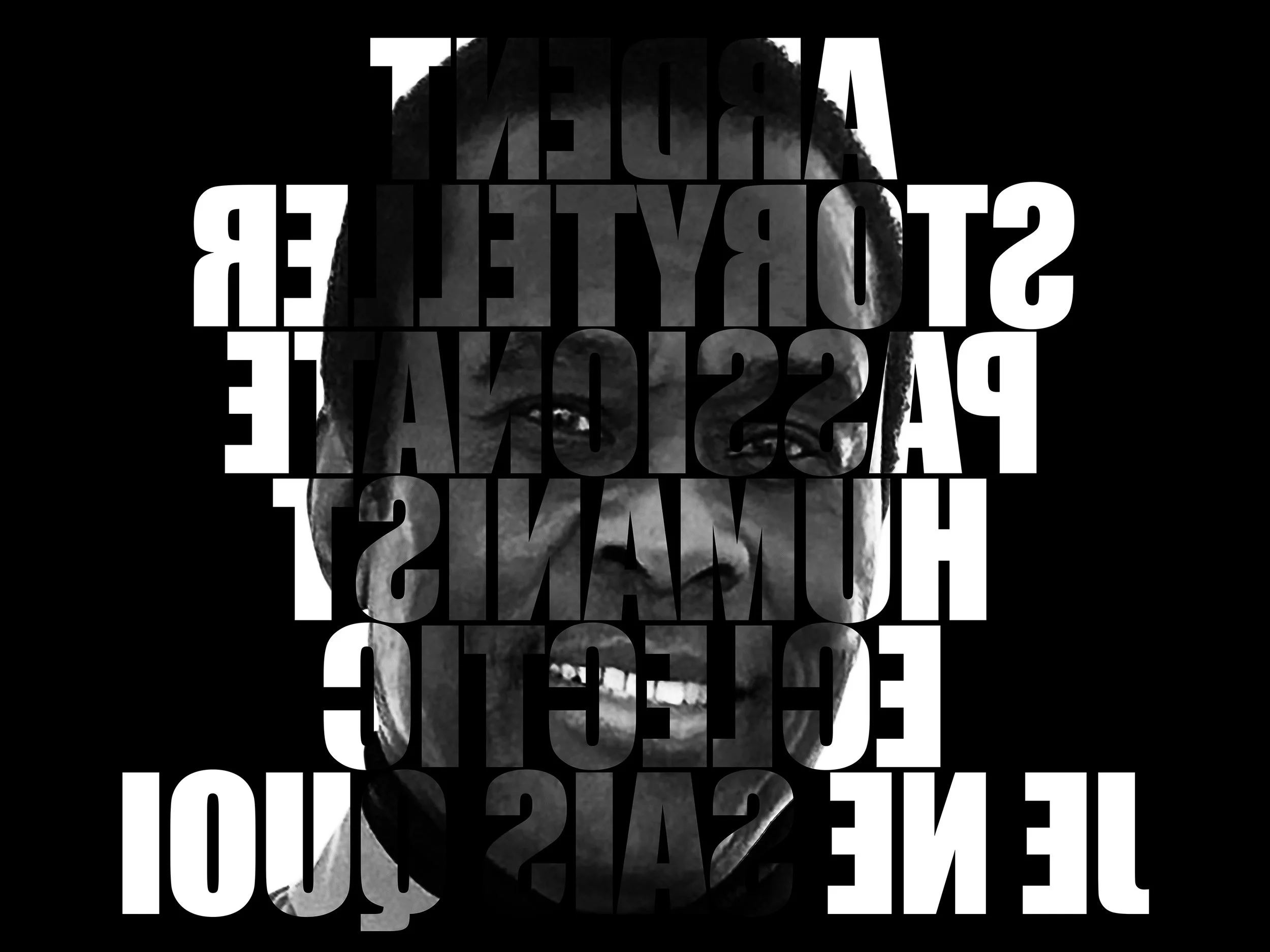
Richard Humann • Len (from the series I Am No Bird) • Ink on aluminum • 24 x 36 in • 2025
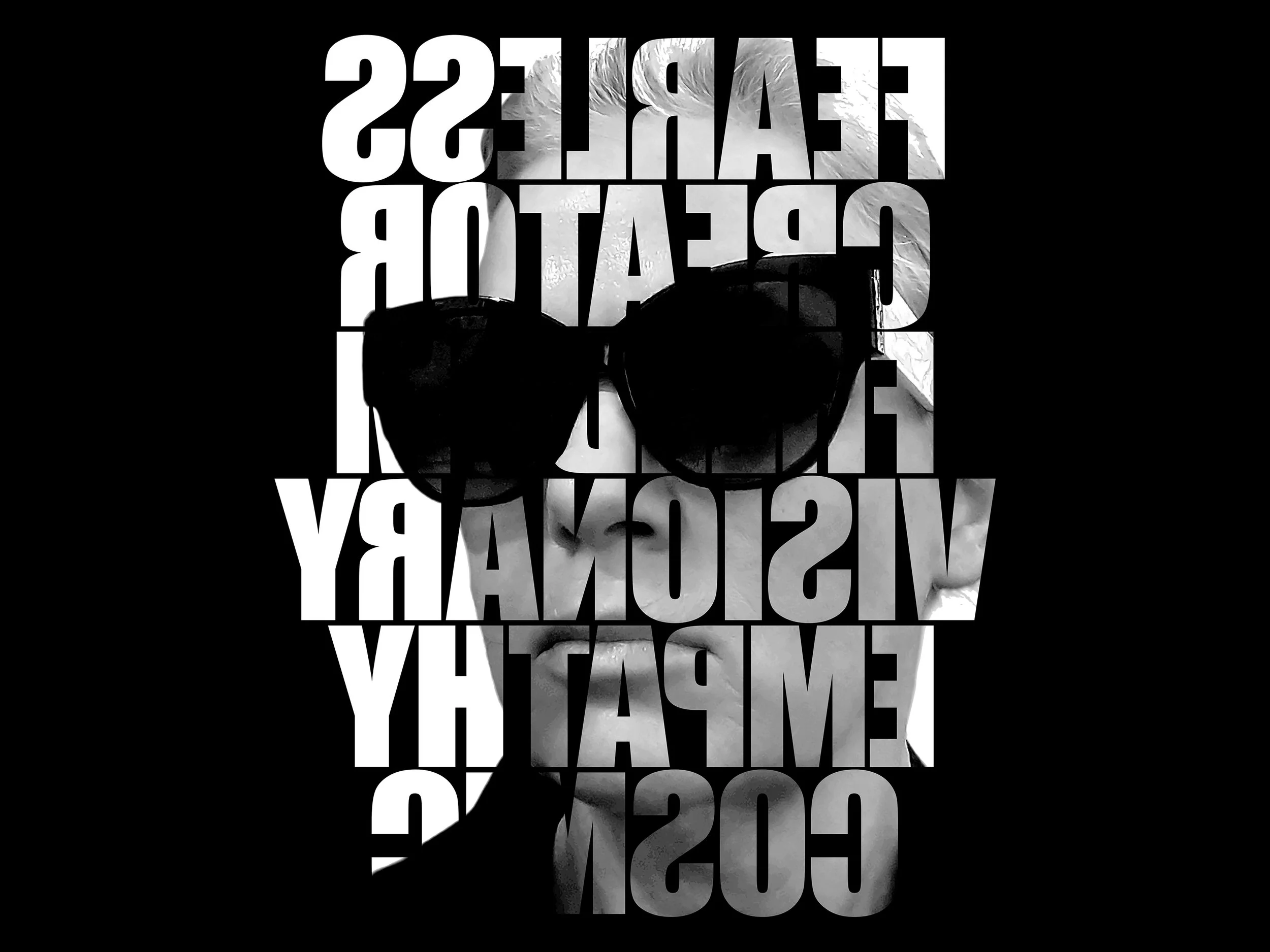
Richard Humann • Anne (from the series I Am No Bird) • Ink on aluminum • 24 x 36 in • 2025

Richard Humann • Doreen (from the series I Am No Bird) • Ink on aluminum • 24 x 36 in • 2025

Richard Humann • Marissa (from the series I Am No Bird) • Ink on aluminum • 24 x 36 in • 2025
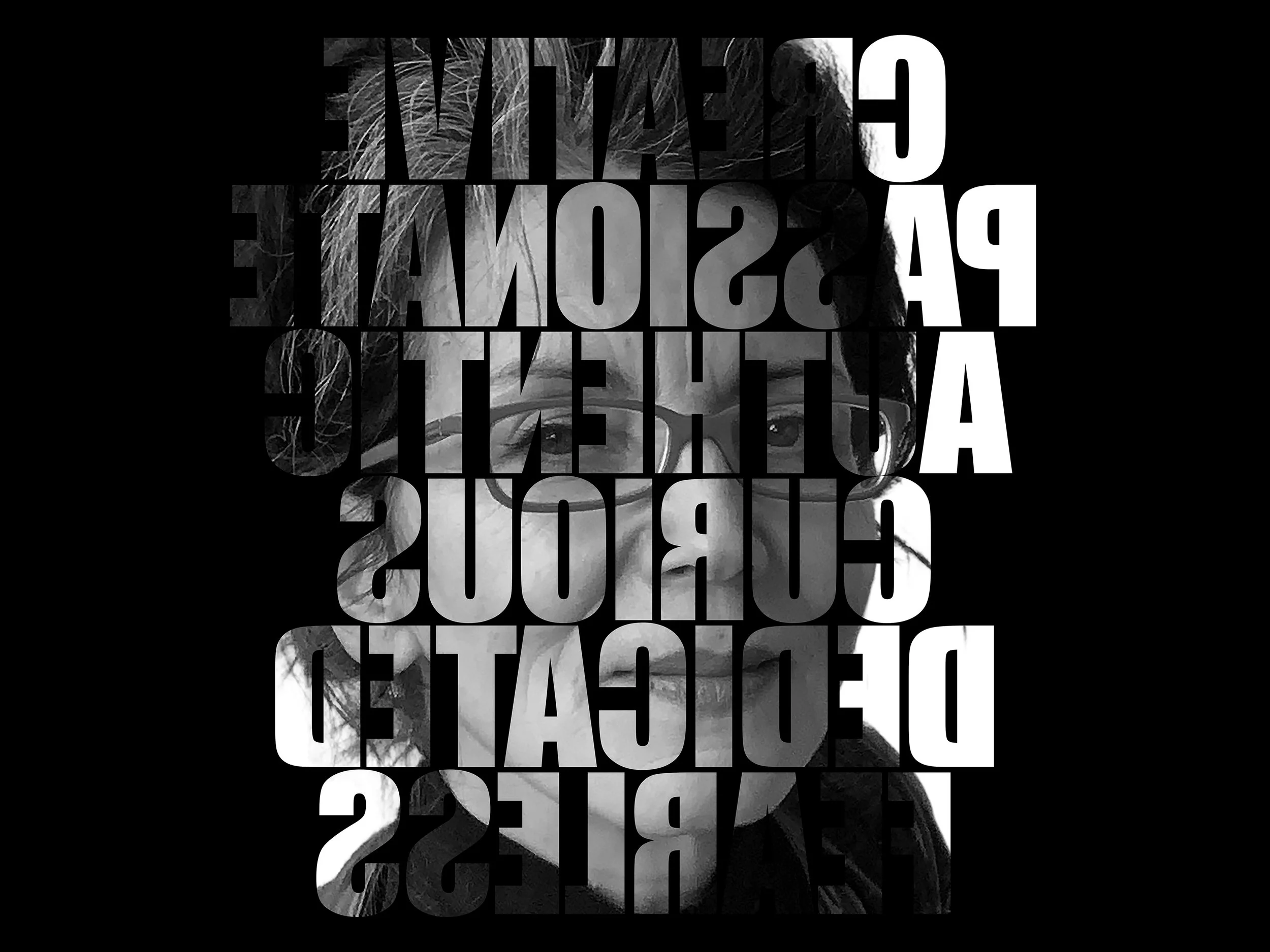
Richard Humann • Heide (from the series I Am No Bird) • Ink on aluminum • 24 x 36 in • 2025
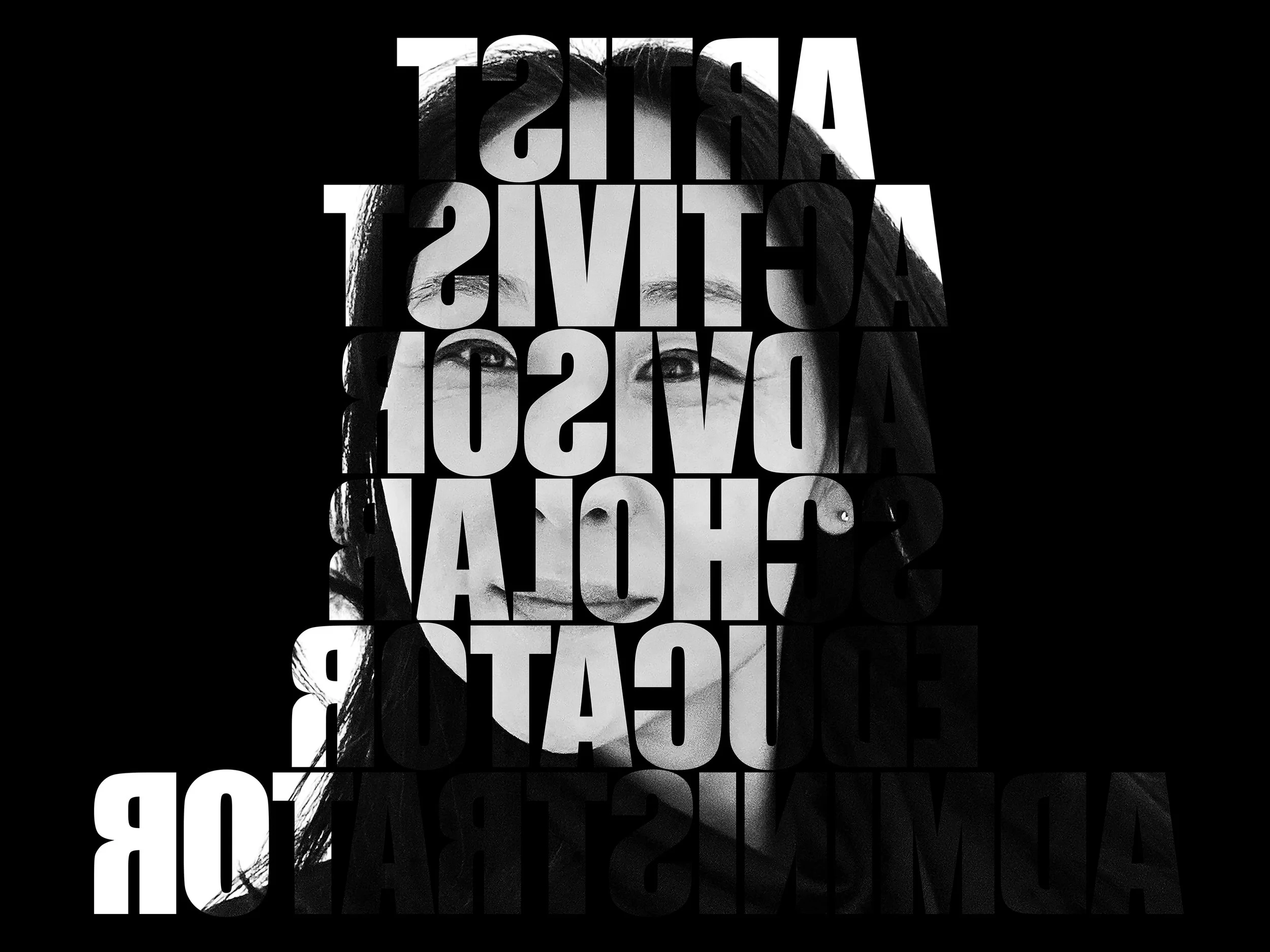
Richard Humann • Mina (from the series I Am No Bird) • Ink on aluminum • 24 x 36 in • 2025
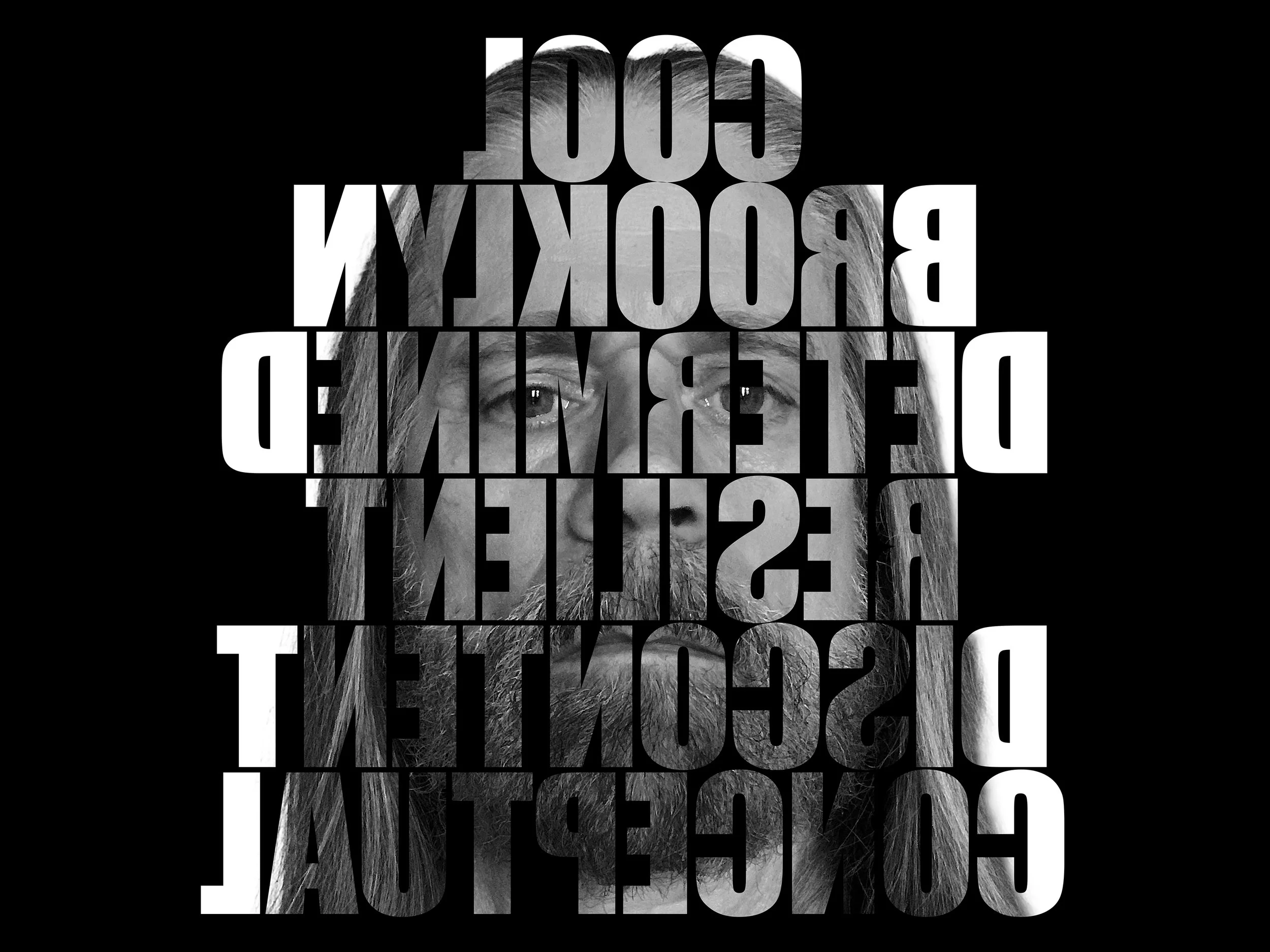
Richard Humann • Richard (from the series I Am No Bird) • Ink on aluminum • 24 x 36 in • 2025
Photo credits: Richard Humann Studio