Video installation with sound
Variable dimensions
2024
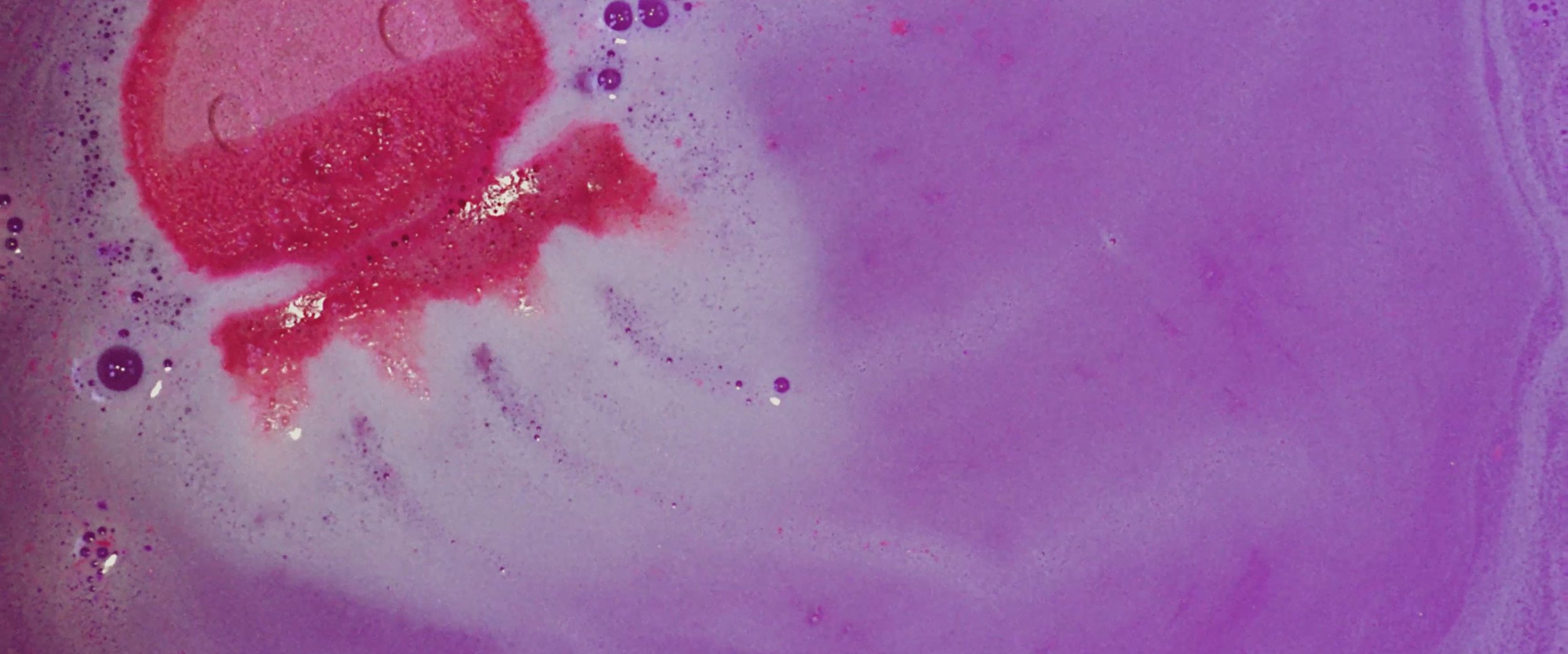
Richard Humann • Happy Octopus, Sad Octopus, Video installation with sound, Variable dimensions, 2024
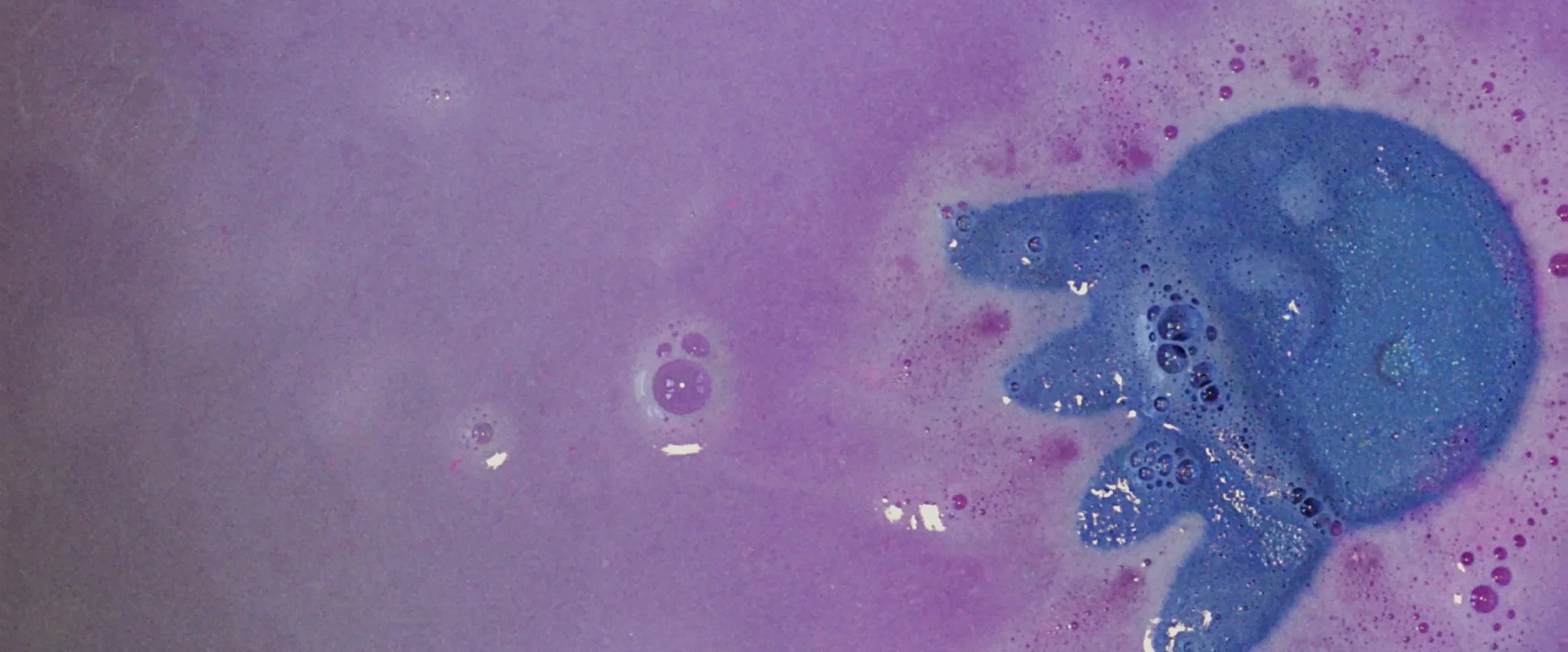
Richard Humann • Happy Octopus, Sad Octopus, Video installation with sound, Variable dimensions, 2024
In Happy Octopus, Sad Octopus, Richard Humann uses the playful imagery of childhood to explore intelligence, emotion, and the origins of life. The work centers on an octopus-shaped bath bomb, an object that dissolves in water, releasing color as it bubbles and disperses. This simple transformation becomes a meditation on the relationship between living organisms and their environments, and on the boundaries separating the self from the world around it.
The bath bomb is central to the work’s conceptual structure. Associated with domestic routine, leisure, and childhood pleasure, it becomes a vehicle for considering water as a condition fundamental to existence. As the object dissolves, its distinct form gives way to color spreading through the surrounding water. This transformation evokes both the primordial aquatic environment in which life emerged and the fluid environment of the womb, where individual human life begins. One recalls the ancient origins of life; the other, the beginning of each person’s existence. By bringing these associations together, Humann connects evolutionary history with the intimate, inaccessible origins of the individual.
Water becomes more than a setting for the action. It is a medium through which the boundaries between object and environment become unstable. The bath bomb gradually loses its form, altering the water around it as it disperses. The transformation suggests that existence is not entirely separate from its surroundings, but shaped through an ongoing exchange with them. An ordinary domestic ritual becomes an opportunity to consider our relationship to the conditions from which life emerges.
The octopus introduces a different question: how do we understand forms of intelligence and experience unlike our own? Its unusual physiology, remarkable intelligence, and ability to change color make it seem at once familiar and alien. Its physical responses to its surroundings offer a point of comparison with human emotion, in which internal states can influence outward appearance and behavior. Yet the octopus also resists easy identification, reminding us that other forms of life may experience the world in ways we cannot fully comprehend.
The title, Happy Octopus, Sad Octopus, adopts the simplicity of language associated with childhood, projecting recognizable emotional states onto a nonhuman creature. This gesture reflects our impulse to understand other beings through our own experience, even when their inner lives remain beyond our reach. The title balances empathy with uncertainty: we seek connections across species while confronting the limits of our understanding.
The video’s childlike quality is essential to its approach. Rather than illustrating its ideas literally, Humann uses a simple, sensory transformation to open a space for larger associations. The dissolution of the bath bomb, the changing water, and the image of the octopus bring together questions of emotion, intelligence, and existence without resolving them into a single explanation.
Beneath its playful surface, Happy Octopus, Sad Octopus considers the origins of life and the uncertain boundaries between the self and its environment. By connecting the primordial beginnings of life with the earliest stages of individual existence, Humann invites viewers to reconsider their place within the natural world—and to imagine a return, however fleeting, to the fluid conditions from which life begins.
Director of Photography: Sarah Duval
Original score by Craig Warkoczeski
Photo credits: Sara Duval / Richard Humann Studio